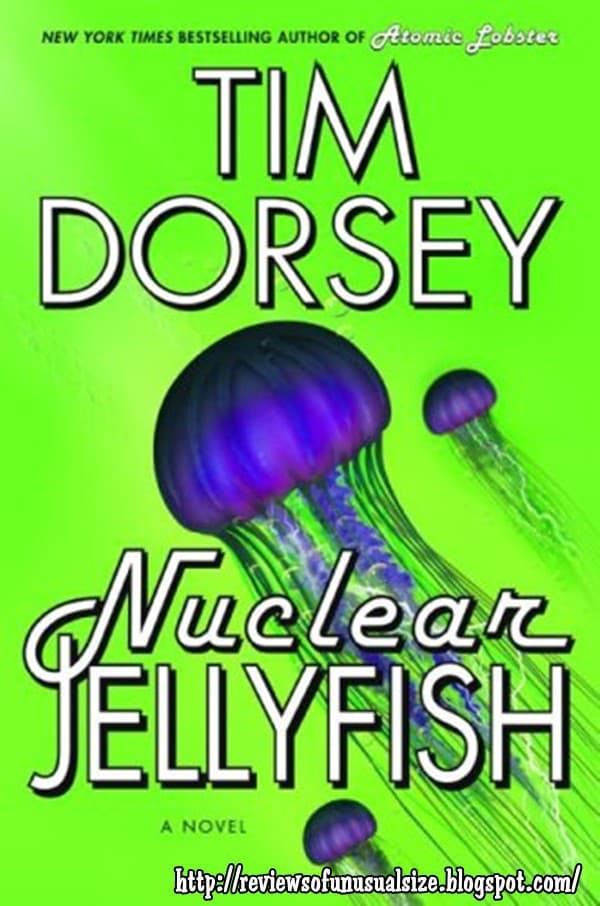
At times like these, Eugene liked to read himself to sleep with his favorite author. He picked up a paperback, the one with the stingray on the cover. It was his favorite author because his books were always in the bargain bin. Eugene opened the book to a folded-over page and lay down on the cold mattress in his skivvies. But tonight, the book did not make him sleepy. It spoke to him. He got out of bed, dressed, put on his boots. He stuck the book in his back pocket, scratched around a dresser drawer for correct change and headed back to the subway.
That’s where he was now, in the last car of the 4-5-6, standing up, approaching the Eighty-sixth Street station. It was almost five a.m. when he reached Park Avenue. The Upper East Side was still and dark except for puffs of steam from the grates that drifted slowly across the empty street. There wasn’t much time left before the garbage trucks would come. Eugene began grabbing Glad bags of trash off the stoops of million-dollar apartments, taking as much as he could carry and running two blocks to Central Park and into the woods. He began sorting through the trash, the lion’s share worthless to him. But shortly after sunrise, he had what he’d come for: six empty bottles of the most expensive cologne from Saks and Blooming-dale’s. He jammed them into his jacket and headed for a drugstore on Seventy-ninth.
Soon he was climbing out of the subway on Bleecker Street with four bags from Rite Aid. Back in his apartment, he spread the contents on the floor. Economy sacks of green mints, red-and-white hard-candy mints, peppermint patties, Tic Tacs, mouthwash, a big pouch of disposable Bic razors, shaving cream, combs, Aqua Velva, toenail clippers, files, No Doz, Sominex, a two-liter bottle of generic cologne and a large pickle jar of discontinued condoms.
He poured the generic cologne in the designer bottles from Park Avenue, then packed everything into an old briefcase he’d pulled down from his closet. He got out his paperback again, to make sure he’d done everything just the way the character in the book had. Then he lay back in his bed and waited.
Eugene Tibbs approached on foot from the south. He was wearing the tuxedo from his blue days and carrying his briefcase. He made one last stop at a print shop.
“Yes, I’d like your Fifteen-Minute Instant Business Card Special.”
“What do you want them to say?”
He pulled the paperback from his pocket, opened it to a dog-eared page and pointed at something he’d underlined. “This right here.”
“You got it.”
“And can I have my change in ones?”
Fifteen minutes later, he left the print shop and walked the last few blocks to the Carlyle. A long line spilled out of the café. Inside was a hospitality industry ant farm: service people moving in all directions, maître d’, greeters, coat checkers, table captains, waiters, water pourers. Tonight there was also an armed guard because Woody Allen was playing the clarinet. Eugene still couldn’t believe anyone would pay the sixty-dollar cover charge. He decided he’d never understand white people.
Eugene walked past the coat line.
“Excuse me,” said the guard. “Where are you going?”
Eugene produced a business card from his jacket. The guard studied it and handed it back. “Go ahead.”
Eugene stuck the card back in his jacket and wound his way through the hotel to the men’s room. He set the briefcase on the counter next to the sink and opened it. He removed the contents, setting out mints and aftershave and cologne in precise arrangement. Then, the final touch: the tip basket with a few ones from Eugene’s own wallet.
Three hours later, Eugene counted up his tips. The paperback had been right — there must be five hundred dollars here. Eugene heard the rest-room door opening, and he stashed the money in his pocket.
A small, redheaded man with a clarinet case walked into the men’s room. He finished his business; Eugene handed him a paper towel.
“Do you need anything, sir?”
The man looked around to see if anyone else was there, then pointed.
“Mint?”
The man shook his head.
“Condom?”
He nodded.
Eugene opened the jar. “How many?”
“Five…no, six.”
The man stuffed the foil pouches in his instrument case, threw a twenty in the tip basket and left quickly.
That was just the beginning. Eugene Tibbs pulled down five grand in the next month, making two- and three-night stands at the Four Seasons, the Waldorf, Tavern on the Green, constantly rotating to avoid suspicion. There were enough four-star restaurants and hotels in Manhattan that he could change locations every night and not run out for the rest of his life. As long as Eugene didn’t deviate from the plan in his paperback, everything went smoothly. Oh, sure, there was the occasional skepticism, but the book had anticipated that. Eugene compiled a list of restaurant owners’ names from the department of health, and he called ahead each night to ask the name of that evening’s maître d’.