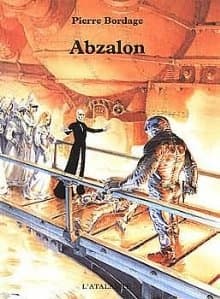
Students, dear friends of learning and the academy: Tonight we study the justly famous “external combustion engine.” Tonight we will make one small venture in applied philosophy, revive this engine from its ancient slumbers, and cause it to work before your very eyes.
And what does it do? you may well ask me. What is its just and useful purpose? Nobody knows. No one will ever know. No one has known that for three thousand years.
Now my trusted assistant Sparrow will light the fire beneath the engine’s cauldron. Nothing sinister about that, a child could do it, an illiterate, a helpless alien, yes, her. Please give her a round of applause, for she is shy. That was good, Sparrow. You may sit and watch with the others now.
Now see what marvels the world has, to show to a patient observer. Steam is boiling. Steam travels up these pipes. Angry steam flows out of these bent nozzles. This round metal bulb with the nozzles begins to spin. Slowly at first, as you observe. Then more rapidly. At greater speed, greater speed yet: tremendous, headlong, urgent, whizzing speed!
This item from my cabinet, which seemed so humble and obscure: This is the fastest object in the whole world!
Why does it spin so fast? Nobody knows.
It is sufficient to know, young gentlemen, that our ancestors built fire-powered steaming devices of this kind, and they wrecked everything.
You see as well, little Sparrow? Now you know what a wonder can do. When it spins and flashes, in its rapid, senseless, glittering way, you smile and clap your hands.
In the summer, a long and severe heat came. The wisdom of the founders of Selder was proven once again.
Every generation, some venturesome fool would state the obvious—why don’t we grow our crops outside of these glass houses? Without those pergolas, sunshades, reflectors, straw blankets, pipes, drips, pumps, filters, cranes, aqueducts, and the Cistern. That would be a hundred times cheaper and easier!
So that error might well be attempted, and then disaster would strike. The exposed crops were shriveled by heat waves, leveled by storm gusts, eaten by airborne hordes of locusts and vast brown crawling waves of teeming mice. In endless drenching rains, the tilled soil would wash straight down the mountainside.
In the long run, all that was not sustainable was not sustained.
Brown dust-lightning split the angry summer sky. Roiling gray clouds blew in from the southern deserts and their dust gently settled on the shining glass of Selder. There were no more pleasant, boozy, poetic star-viewing parties. People retreated into the stony cool of the seed vaults. When they ventured out, they wore hats and goggles and wet, clinging, towel-like robes. They grumbled a great deal about this.
Mellow Julian Nebraska made no such complaint. In times of civic adversity, it pleased him to appear serene. Despite this unwholesome heat and filth, we dwell in a city of shining glass! We may well sweat, but there is no real risk that we will starve! Let us take pride in our community’s unique character! We are the only city of the world not perched like a ghost within the sprawling ruin of some city of antiquity! Fortitude and a smiling countenance shall be the watchwords of our day!
Julian sheltered his tender birds from the exigencies of the sky. He made much use of parasols, misting-drips, and clepsydra. The professor’s villa was modest, but its features were well considered.
Dirt fell lavishly from the stricken sky, but Sparrow had learned the secret of soap, that mystic potion of lye, lard, ashes, and bleach. Sparrow spoke a little now, but not one word of the vulgar tongue: only comical scraps of the finest Old Proper English. Sparrow wore the clean and simple white robes that her master wore, with a sash around her waist to show that she was a woman, and a scarf around her hair to show that she was a servant. Sparrow would never look normal, but she had come to look neat and dainty.
Julian’s enemies—and he had made some—said dark things about the controversial philosopher and his mute exotic concubine. Julian’s friends—and he had made many—affected a cosmopolitan tolerance about the whole arrangement. It was not entirely decent, they agreed, but it was, they opined, very like him.
Julian was not a wealthy man, but he could reward his friends. His small garden was cool in the stifling heat, and Sparrow had learned to cook. Sparrow cooked highly alarming meals, with vegetables cut in fragments, and fried in a metal bowl. This was the only Selder food that Sparrow could eat without obvious pangs of disgust.
His students ate these weird concoctions cheerily, because healthy young men ate anything. Then they ran home in darkness to boast that they had devoured marvels.