The news weeklies all had campaign reports, squeezed in between advertisements and stories about medical breakthroughs and technology updates. Most of the coverage was top-ticket stuff, but the House and Senate contests got a few lines each. We were four months ahead of the first primaries and fourteen months ahead of the elections themselves, and some candidates were already lame ducks, but Sansom was still solidly in his race. He was polling well throughout his state, he was raising lots of money, his blunt manner was seen as refreshing, and his military background was held to qualify him for just about everything. Although in my opinion that’s like saying a sanitation worker could be mayor. Maybe so, maybe not. There’s no logic in the assumption. But clearly most journalists liked the guy. And clearly they had him earmarked for bigger things. He was seen as a potential presidential candidate either four or eight years down the line. One writer even hinted he could be airlifted out of his Senate race to become his party’s vice-presidential nominee this time around. He was already some kind of a celebrity.
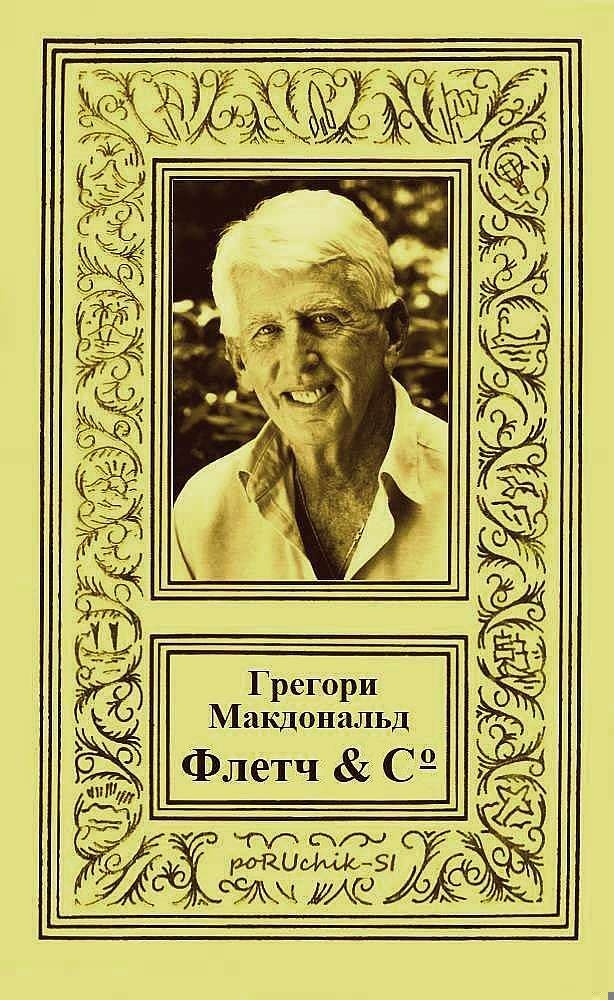
His book cover was stylish. It was made up of his name and the title and two photographs. The larger was a blurred and grainy action picture blown up big enough to form a background to the whole thing. It showed a young man in worn and unbuttoned battledress and full camouflage face paint under a beanie hat. Laid over it was a newer studio portrait of the same guy, many years farther down the road, in a business suit. Sansom, obviously, then and now. His whole pitch, in a single visual.
The recent picture was well lit and perfectly focused and artfully posed and showed him to be a small lean guy, maybe five-nine and a hundred and fifty pounds. A whippet or a terrier rather than a pit bull, full of endurance and wiry stamina, like the best Special Forces soldiers always are. Although the older picture was probably from an earlier time in a regular unit. The Rangers, maybe. In my experience Delta guys of his vintage favoured beards and sunglasses and kaffiyeh scarves pulled down to their throats. Partly because of where they were likely to serve, and partly because they liked to appear disguised and anonymous, which in itself was part necessity and part dramatic fantasy. But probably his campaign manager had selected the photograph himself, accepting the junior unit in exchange for a picture that was recognizable, and recognizably American. Maybe people who looked like weird Palestinian hippies wouldn’t go down well in North Carolina.
The stuff inside the cover flap featured his full name and military rank, written out with a degree of formality: Major John I Sansom, U.S. Army, Retired. Then it said he was the winner of the Distinguished Service Cross, the Distinguished Service Medal, and two Silver Stars. Then it said he had been a successful CEO, of something called Sansom Consulting. Again, his whole pitch, right there. I wondered what the rest of the book was for.
I skimmed it and found it fell into five main sections: his early life, his time in the service, his subsequent marriage and family, his time in business, and his political vision for the future. The early stuff was conventional for the genre. Hardscrabble local youth, no money, no frills, his mom a pillar of strength, his dad working two jobs to make ends meet. Almost certainly exaggerated. If you take political candidates as a population sample, then the United States is a Third World country. Everyone grows up poor, drinking water is a luxury, shoes are rare, a square meal is cause for jubilant celebration.
I skipped ahead to where he met his wife and found more of the same platitudes. She was wonderful, their kids were great. End of story. I didn’t understand much of the business part. Sansom Consulting had been a bunch of consultants, which made sense, but I couldn’t work out exactly what they had done. They had made suggestions, basically, and then bought into the corporations they were advising, and then sold their stakes and gotten rich. Sansom himself had made what he described as a fortune. I wasn’t sure how much he meant. I feel pretty good with a couple hundred bucks in my pocket. I suspected Sansom came out with more than that, but he didn’t specify how much more. Another four zeros? Five? Six?
I looked at the part about his political vision for the future and didn’t find much I hadn’t already gleaned from the news magazines. It boiled down to giving the voters everything they wanted. Low taxes, you got it. Public services, have at it. It made no sense to me. But all in all Sansom came across as a decent guy. I felt he would try to do the right thing, as much as any of them can. I felt he was in it for all the right reasons.