The figures were deceptive. A large proportion of the men sifted out of the administration and economy were too old for military service. Goebbels was forced, therefore, to turn to fit men in reserved occupations — work thought essential for the war effort, including skilled employment in armaments factories or food production. Their replacement, where possible, by older, less fit, less experienced, less qualified workers was both administratively complicated and inefficient. The net addition of women workers numbered only little over quarter of a million. Many of the half a million mobilized overall replaced older women, or were tied to the home. There were only 271,000 more women in employment in September 1944 than there had been in May 1939. And, despite the draconian measures deployed, German men employed in industry had dropped by no more than 848,500 over the same period (more than compensated, numerically, by foreign workers), while even the much-purged administrative sector had only lost 17 per cent of its employees. The German economy was, in fact, only holding together at all because of the employment of foreign conscript labour — now accounting for 20.8 per cent of the work-force (a far higher percentage in agriculture). And although, partly through Goebbels’s measures, it proved possible to send around a million men to the front between August and December 1944, German losses in the first three of those months numbered 1,189,000 dead and wounded.130 Whatever the trumpeting by Goebbels of his achievements as Reich Plenipotentiary for the Total War Effort, the reality was that he was scraping the bottom of the barrel.
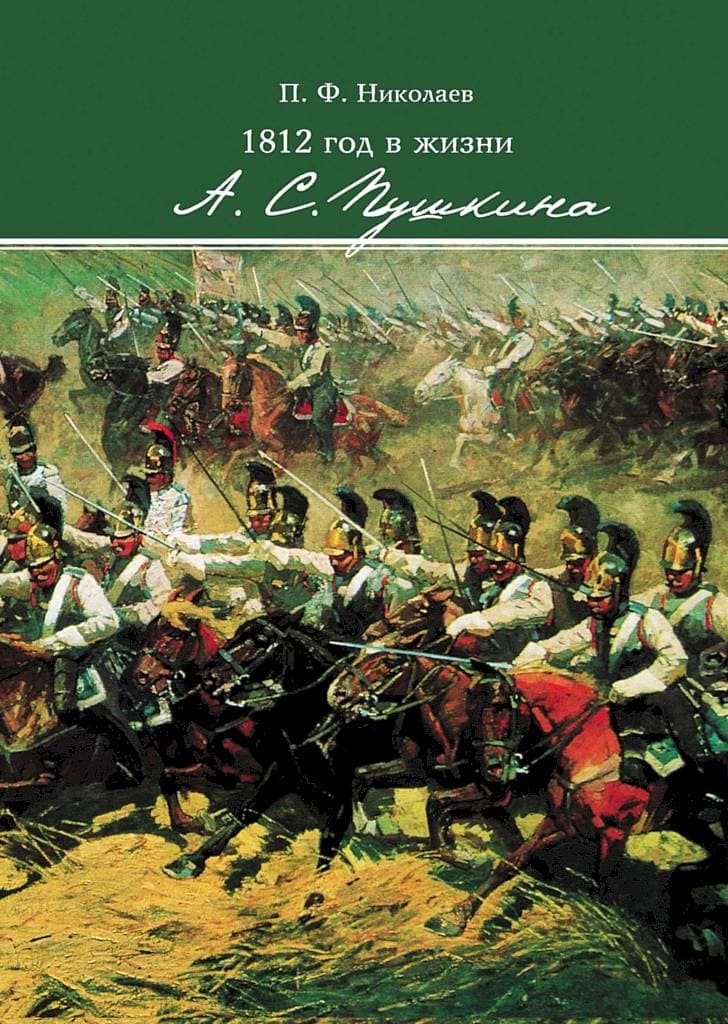
And among the most bizarre aspects of the ‘total war’ drive in the second half of 1944 was the fact that at precisely the time he was combing out the last reserves of manpower, Goebbels — according to film director Veit Harlan — was allowing him, at Hitler’s express command, to commandeer 187,000 soldiers, withdrawn from active service, as extras for the epic colour film of national heroism,
The evocation of heroic defence of the fatherland by the masses against the invading Napoleonic army — the myth enunciated in
Suggestions of creating ‘border protection’ units in the east were put forward as early as mid-July by the Propaganda Ministry following the Red Army’s advance into Lithuania.134 But in the weeks following the attempt on Hitler’s life, the initiative in this area was seized primarily by Martin Bormann. In readiness more to combat possible internal unrest than external invasion, Bormann sought in August the assistance of Himmler, as Commander of the Reserve Army, in arming Party functionaries. The Party had also taken over responsibility from the Luftwaffe for anti-aircraft and flak service. The threats from the borders produced new duties, again run by the Party, in digging fortifications, involving women as well as men in the hard manual labour.135